A small country with an outsized impact on global semiconductor design
The Danish chip ecosystem
Denmark is a small country with an outsized impact on global semiconductor design. Danish engineers have built the chips inside 126 million Nokia phones, designed the optical interconnects that power NVIDIA's AI data centres, and hold roughly half the global market for hearing-aid silicon. None of this happened by accident.
The concentration of talent here grew from decades of strong university programmes, close collaboration between industry and academia, and a culture of engineering excellence that has repeatedly attracted the world's largest technology companies to establish R&D centres in Denmark — and keep them here.
Danish silicon that shaped the world — click a story to read the full account
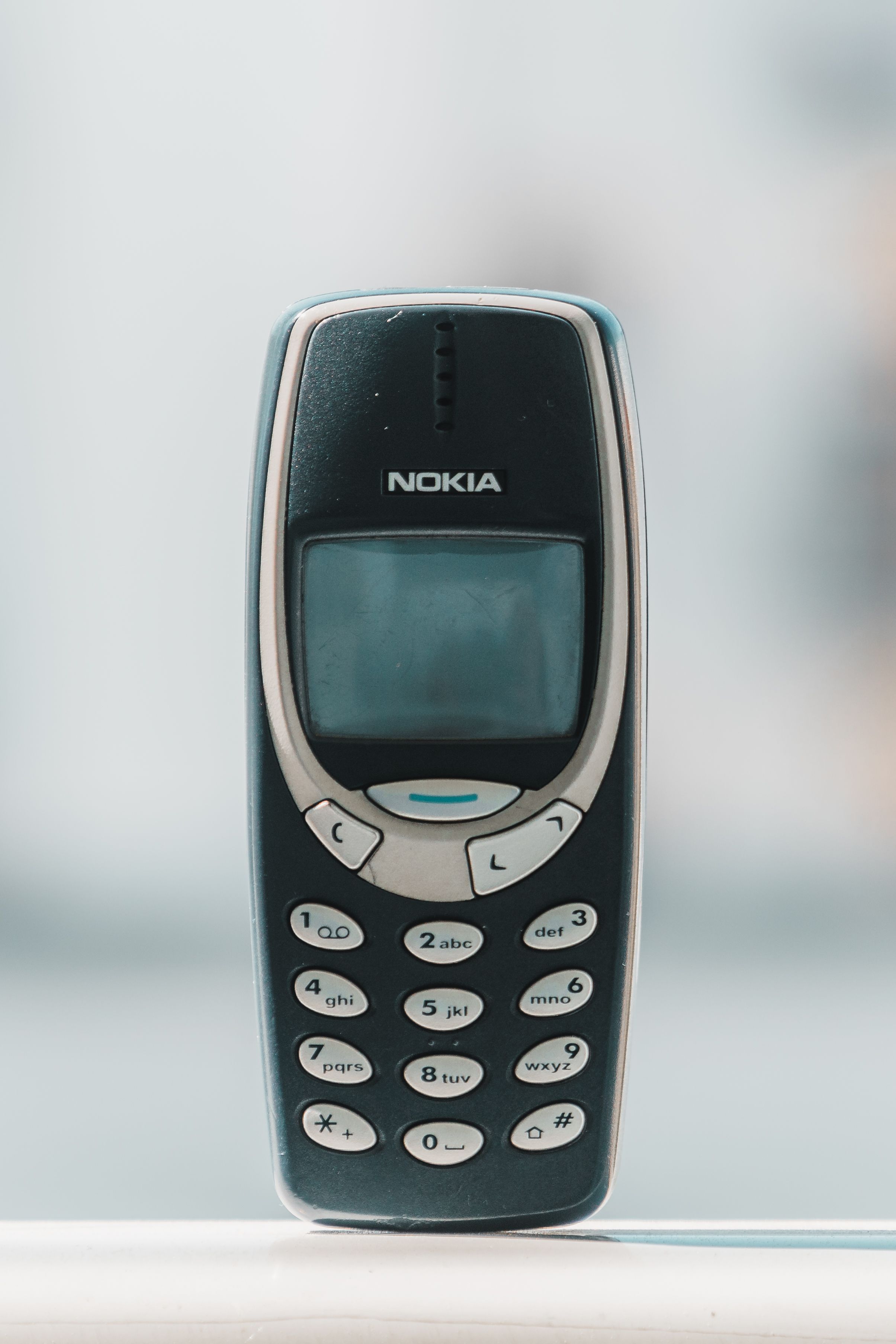
126 million units sold. Almost nobody knows it was engineered not in Finland — but in a building by Copenhagen's waterfront, by a team of young Danish engineers in their mid-twenties.
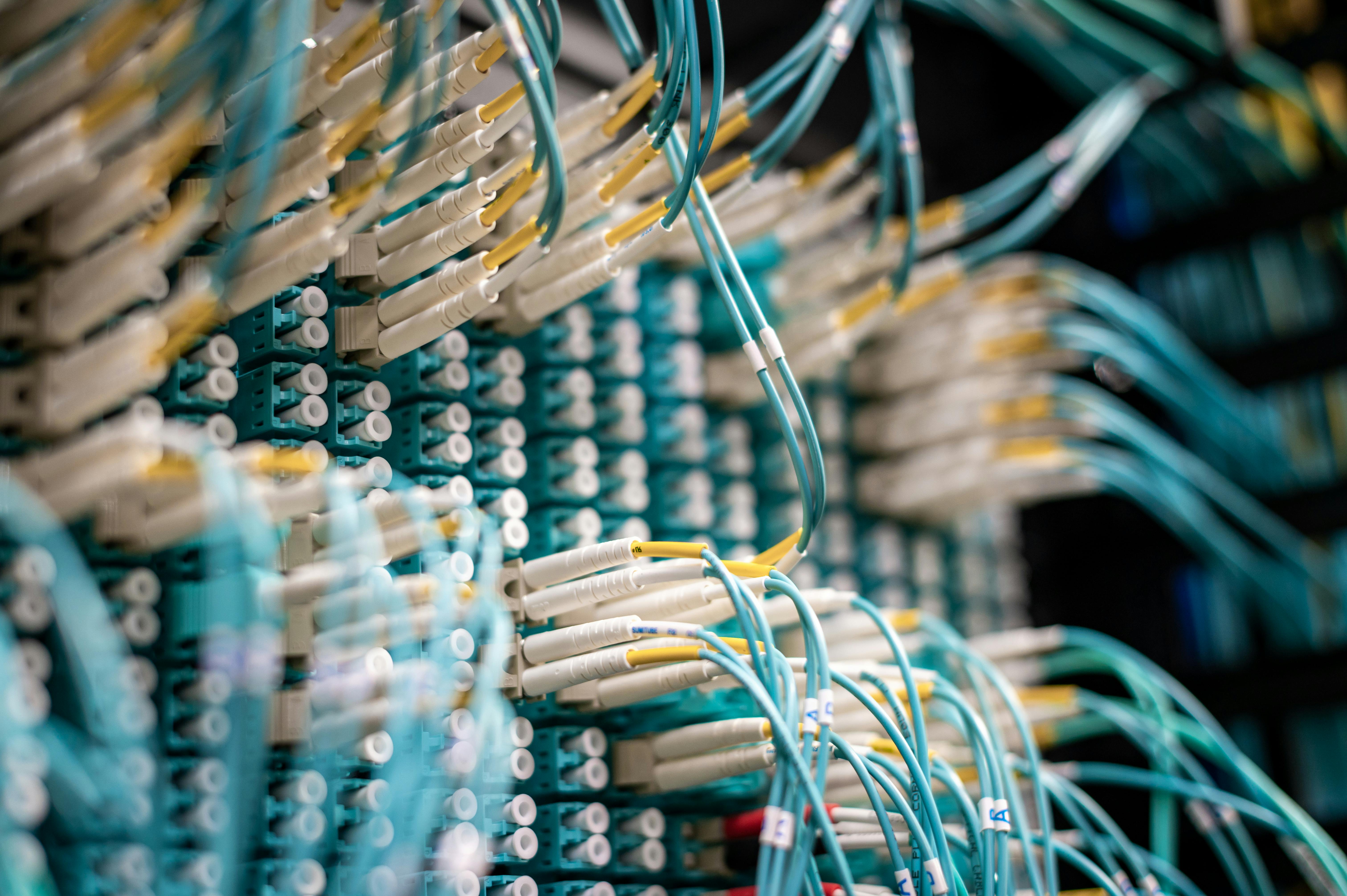
NVIDIA has 100+ engineers in Roskilde because Denmark built a world-class high-speed chip tradition over 30 years — and the world's biggest tech firms kept acquiring it.
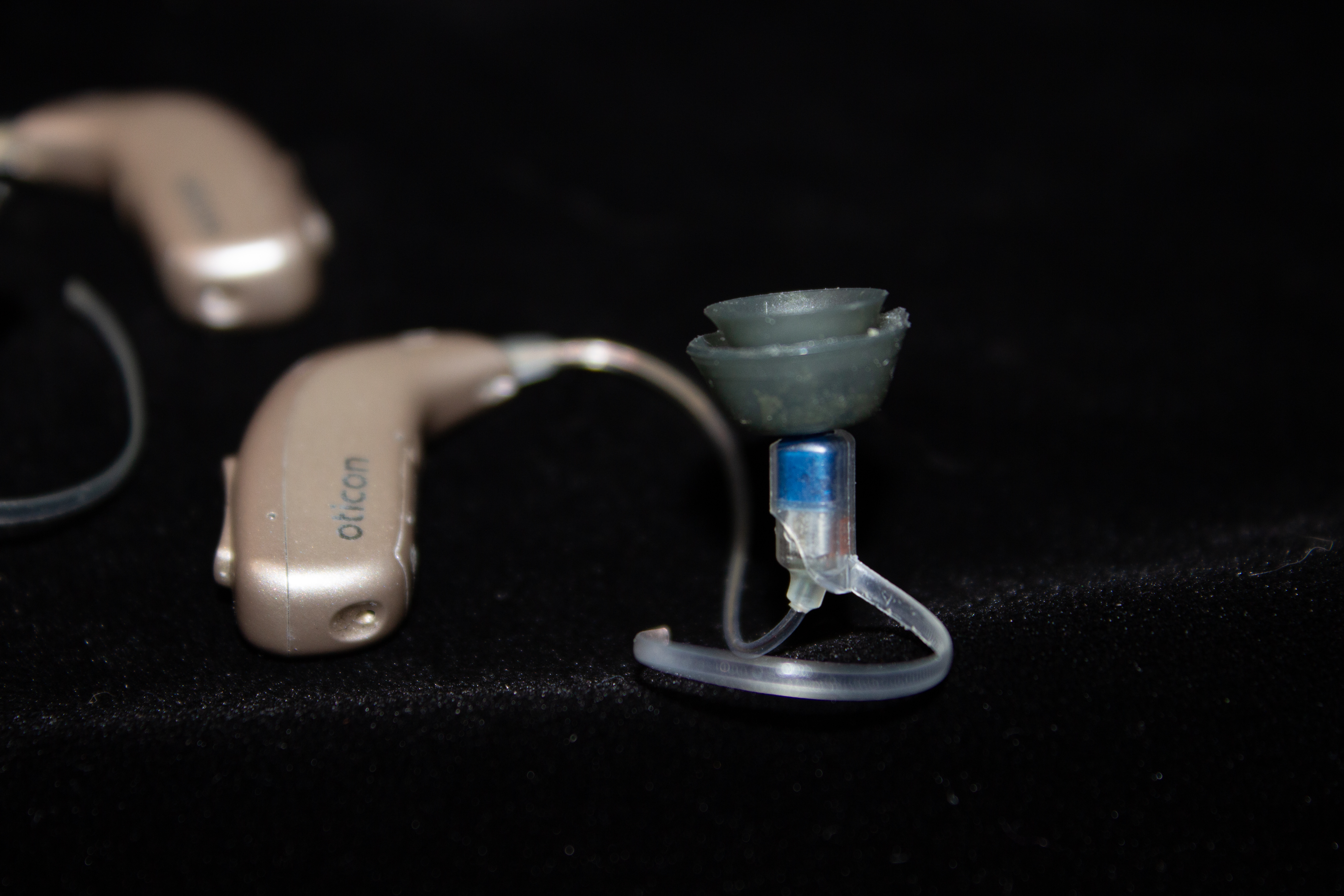
Smaller than a pea, running days on a shirt-button battery, processing sound in real time. Danish companies design the chips that make this possible — and hold roughly half the global market.
Domains where Danish chip design quietly leads the world — each its own deep-rooted story. More are being written.
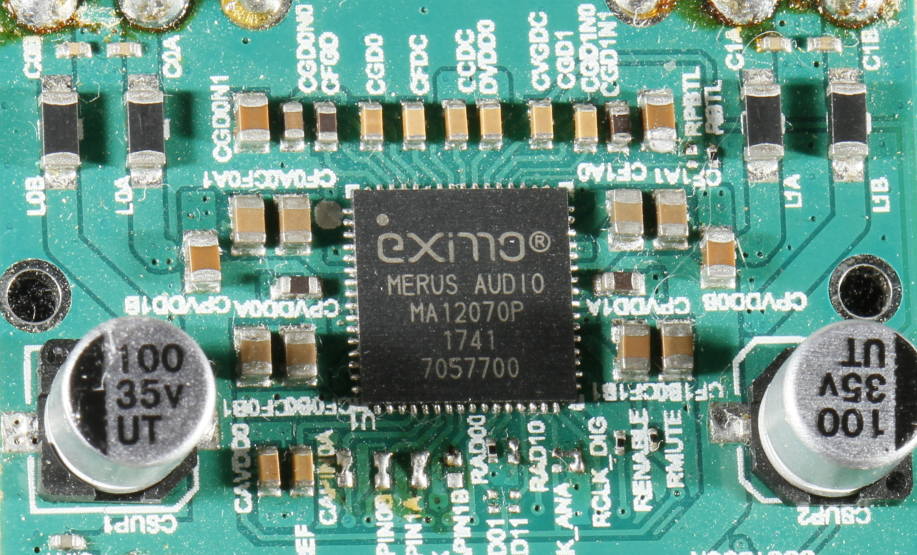
Denmark pioneered the integrated and all-digital audio amplifier. Out of DTU and Bang & Olufsen came chips so good that TI, Analog Devices and Infineon each acquired a Danish startup.
From atomic-scale simulation to standard-cell automation to power-integrity signoff — Danish EDA became industry infrastructure, and Synopsys and Silvaco came shopping.
Two routes to silicon: a full turnkey shop with direct TSMC access (Presto / DELTA), and senior-designer consultancies that form small dynamic teams to crack hard problems — serving US hyperscalers and startups worldwide.
Verification is more than half of chip-development effort. Denmark treats it as a craft — led by SyoSil, whose open-source UVM scoreboard is used by verification teams worldwide.
DTU, Copenhagen, Aarhus, SDU and Aalborg drive chip-design research and incubate startups — the load-bearing layer of the entire ecosystem, now backed by the DkCCC.